Why nights vary — and why a tracker should not invent the cause.
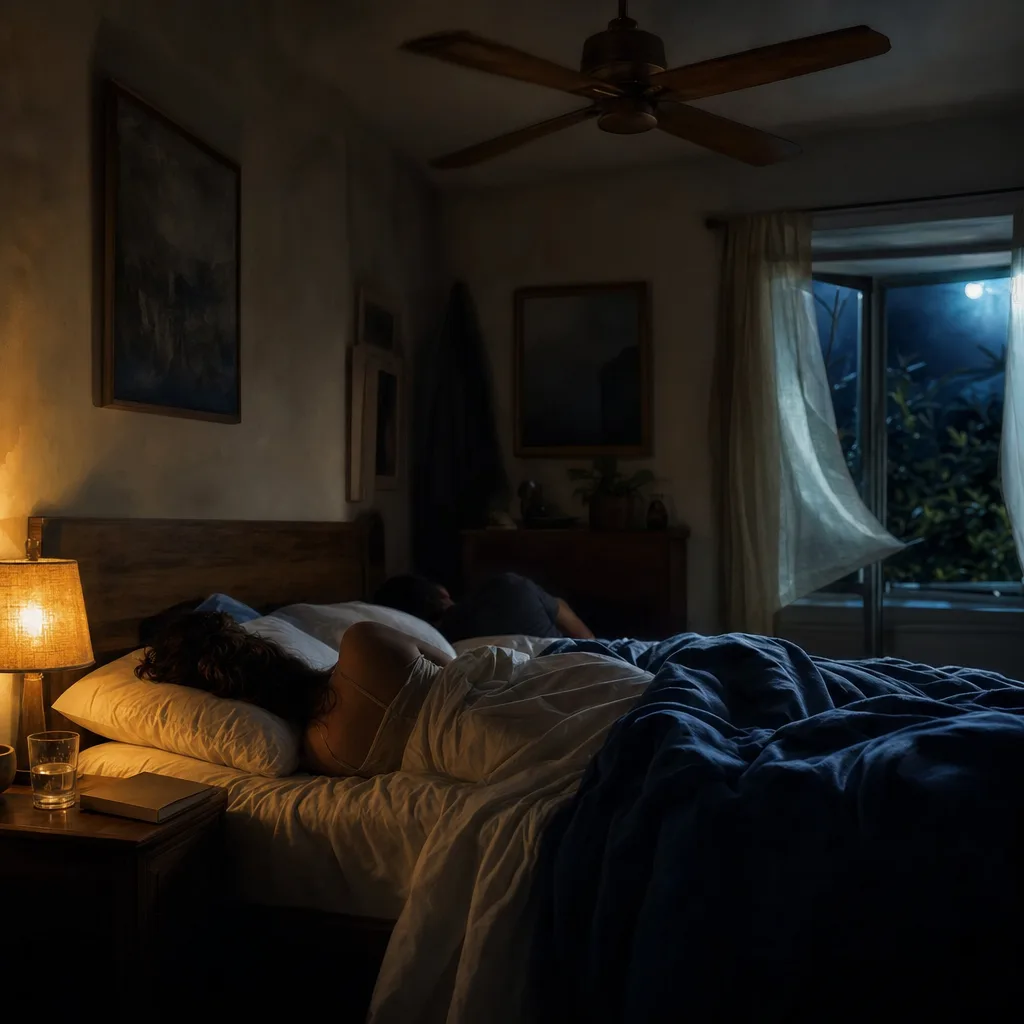
Room temperature, noise, travel, illness, stress, exercise, meals, alcohol, medication, phone position, and who else is in the room can change together. A difference in BRI, SRI, or available audio cannot isolate which factor mattered.
SomniSense does not measure cortisol, core temperature, oxygen, airflow, airway anatomy, or sleep stage. It should not attach those mechanisms to one person's acoustic result.
Start with the recording conditions
- Keep phone distance and orientation reasonably consistent.
- Note unusual room noise, travel, a partner, pets, or device interruptions.
- Check how much of the night was recorded before comparing nightly values.
- Use several comparable nights rather than one dramatic result.
Then use tags as labels, not explanations
A tag can identify nights that shared a routine. The comparison can show whether SomniSense's product-defined observations differed between tagged and untagged groups, with sample sizes visible.
The difference is descriptive. It does not establish a physiological pathway, prove cause, or show that a routine or treatment worked.
Read next
If you'd rather see your own night than read about someone else's —
It's free on both stores. Put the phone on the nightstand tonight; the report is there when you wake up.
Free basics stay available: core first-night candidate evidence, 5 audio plays per night, and a recent 7-day trend.