OUR STORY · A LETTER FROM THE FOUNDER
Why I Created SomniSense
A Story About Sleep, Health, and the People We Love
A few years ago, my life looked happy from the outside — a loving family, two daughters, a career I was proud of. Beneath that, my sleep was quietly breaking everything. This is what I learned, and why I built SomniSense.
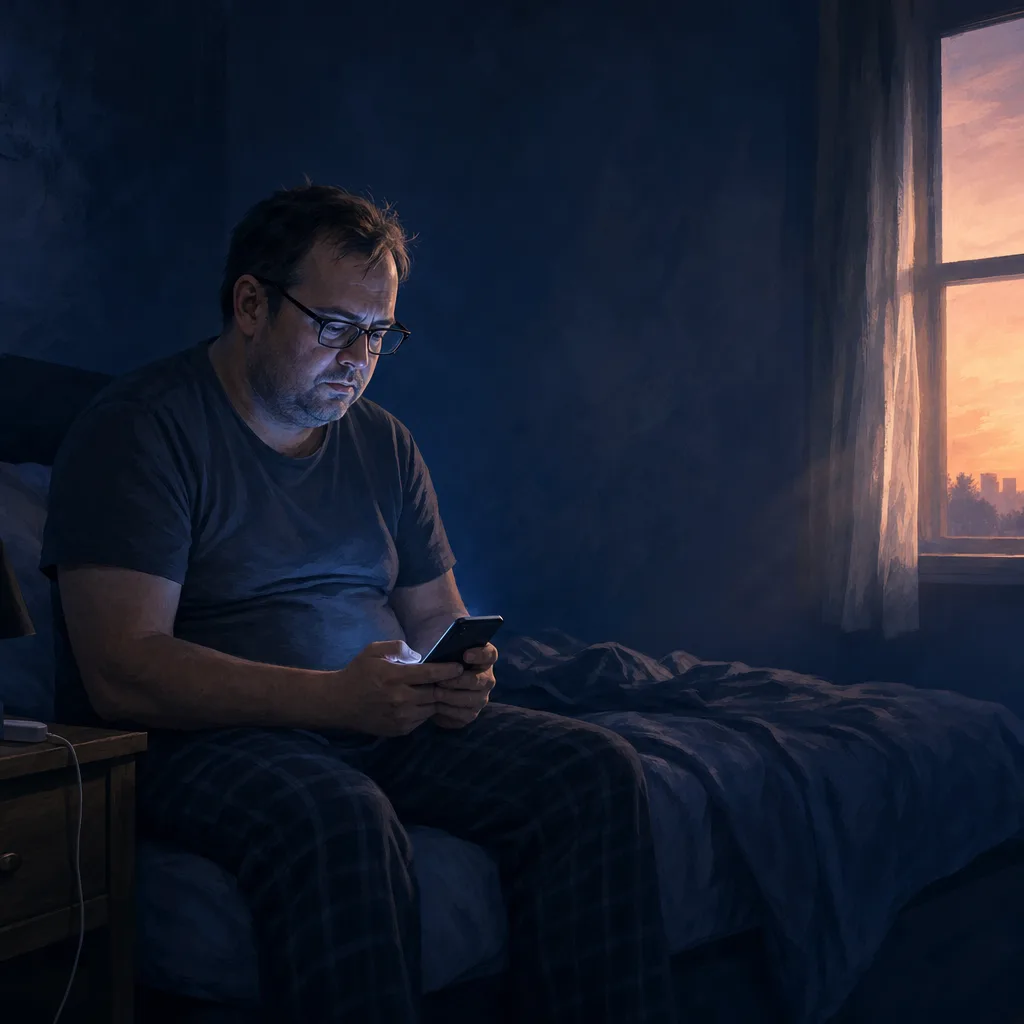
"How well do you sleep? How well do the people you love sleep?"
This seemingly simple question holds more weight than most of us realize. Many of us would say our sleep is "fine." But sleep problems have become a quiet, global crisis — not just affecting our own health, but quietly shaping the lives of the people who care about us.
I'm the founder of SomniSense — a husband, a father of two, and an engineer. This is a story about sleep, about health, and about love.
My Story: From Snoring to Sleep-Disordered Breathing
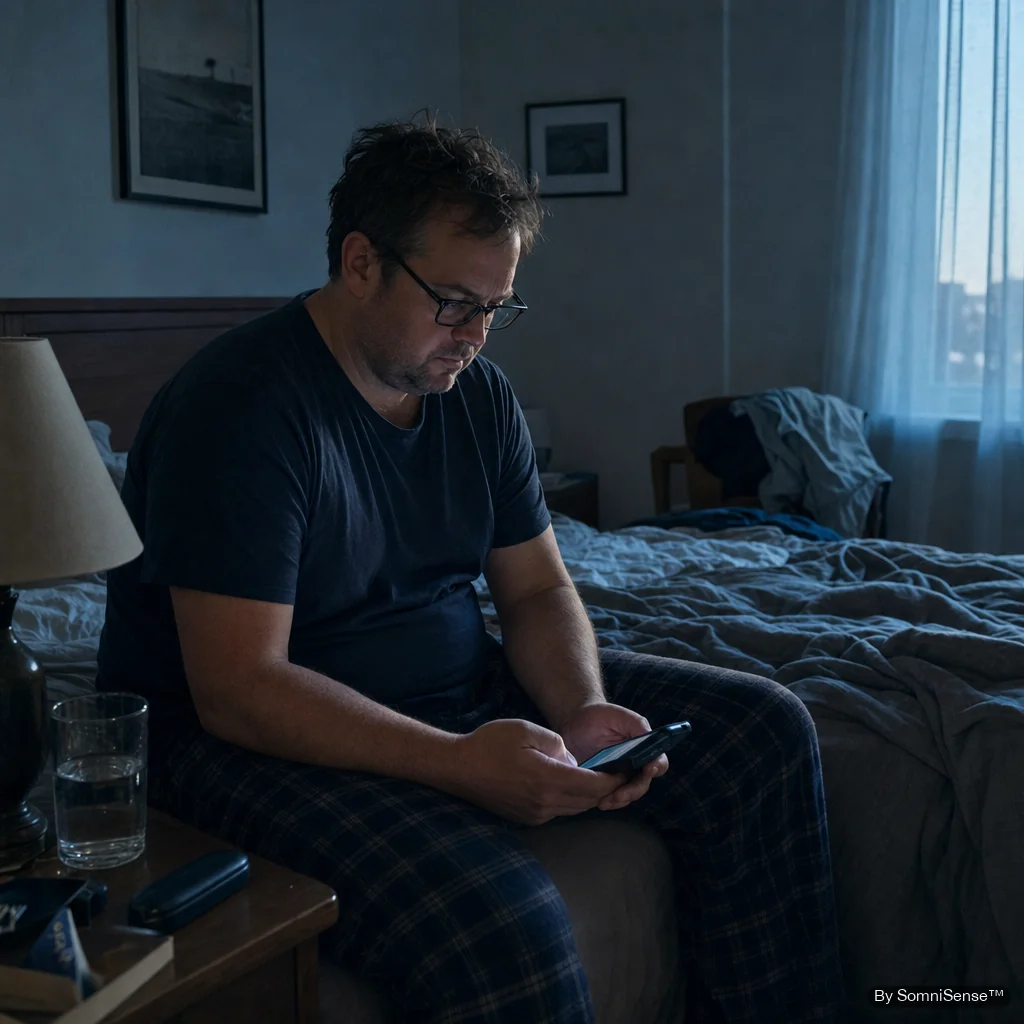
A few years ago, my life looked peaceful. I had a loving wife, two beautiful daughters, and work I was proud of. But a health issue I had taken for granted was quietly threatening all of it.
I had snored heavily since I was young. My wife eventually moved to the guest room — not because she didn't love me, but because my snoring was so loud she couldn't sleep through it. We laughed about it sometimes. "Only good sleepers snore," we joked.
It wasn't a joke.
Over time, the signs started to add up:
- Every morning, I woke up exhausted — dizzy, foggy, like I'd fought a battle in my sleep. Coffee stopped helping.
- At work, I couldn't concentrate. I forgot small things. Once I forgot to buy a birthday gift for my younger daughter. She didn't say anything. I noticed.
- In the middle of the night, I would jolt awake, gasping, like I had just been pulled out of water. I never remembered why.
- My patience evaporated. I caught myself snapping at my daughters over nothing. My wife said, gently: "You've been angry for no reason lately. I think you're too tired."
I told myself it was work stress. Or getting older. Or both.
Then one morning, I overheard my older daughter whisper to her mom:
"Does Daddy not love us anymore? He always seems unhappy..."
That sentence broke me open. No matter how I tried to hide what was happening to me, my health was reaching the people I loved most.
The Truth: It Wasn't Just Snoring
I scheduled a sleep study. The results stopped me cold:
- My snoring wasn't a sign of "sleeping well." It was sleep-disordered breathing, with an AHI of 23.9 — moderate range.
- Almost 24 breathing interruptions per hour — every one of them dropping my blood oxygen, depriving my brain of what it needed.
- The doctor told me, calmly, that left untreated this kind of pattern is associated with hypertension and cardiovascular problems over the long term.
I was stunned. But what shocked me more was this:
It had been there all along, and I never knew.
These weren't symptoms of "getting older." They were warning signs of a real condition that had been quietly degrading my life and the lives of the people who shared a home with me.
Sleep Touches Everyone You Love
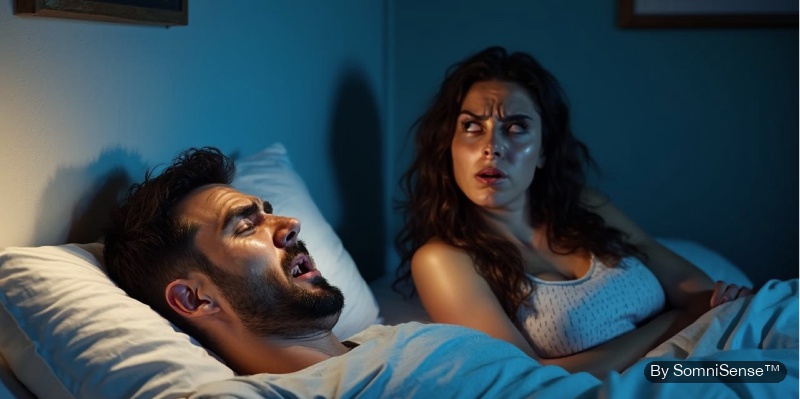
When I told my wife the results, her response taught me more than the diagnosis:
"I've been worried about your health for a long time. But you always said you were fine. You're the one our family relies on. Please take care of yourself."
I realized then that my sleep wasn't just my problem. My wife had been losing sleep for years because of mine — quite literally moving out of our bedroom to cope. My daughters had learned to walk softly in the morning so I could rest a little longer on weekends.
Sleep problems ripple outward. They reach the people sleeping next to us, and the people who watch us be tired the next day:
- Do your parents snore loudly? Could it be quietly affecting their blood pressure?
- Does your partner wake with headaches but brush them off?
- Does a friend always seem drained, and never quite know why?
These are not "small things you live with." These are signals.
What I Wished Existed
As an engineer, my instinct is to solve problems with tools. But when I looked for tools to help with my sleep, none of them fit:
- In-lab sleep studies are accurate but expensive ($800–$3,000), require sleeping in a strange room with sensors taped to your face, and give you one snapshot — not a way to track over time.
- Wearables are convenient but costly ($150–$500), require charging, take weeks to get used to, and most don't actually detect snoring or breathing pauses.
- Sleep apps focus on falling-asleep music or sleep stages — not the breathing events that were silently disrupting my life.
But sleep health isn't a one-time test. It changes daily — with what you eat, what you drink, how you slept, your position, your stress. We need a way to track sleep breathing over time, not just diagnose it once.
I wanted a tool that:
- Would work without buying anything new — just my phone, on the nightstand.
- Would actually detect snoring and breathing pauses, not just estimate sleep stages.
- Would let me hear the events — so I could believe the data on the night I first saw it.
- Would help me see what was changing my sleep, day by day, and let me bring it to a doctor when I needed to.
Nothing did all of this. So I started building it.
SomniSense: The Tool I Wish I'd Had Sooner
SomniSense is a sleep monitoring app that runs entirely on your phone. No wearable. No clinic. No subscription required to start.
What it does:
- 🤖 Listens with on-device AI — your audio never leaves your phone unless you choose to share it.
- 🔊 Detects snoring and breathing irregularities — classifies snore type and time-stamps every event.
- ▶ Lets you press play on any event — the audio is real, not a number. You can verify what happened.
- 📈 Tracks 30, 90, 365 nights — so you can see the trend, not just one anxious morning.
- 🧪 Tags what you tried — alcohol, side-sleep, an anti-snore pillow, a CPAP — and shows which factors actually moved YOUR numbers, not the average user's.
- 📬 Sends a weekly PDF to your inbox — Doctor-Ready Cadence™ — formatted exactly the way clinicians read sleep reports. Print it. Bring it. Forward it.
This isn't a replacement for a doctor. It's a way to walk into one already knowing what's happening at night.
Validated against in-lab polysomnography (n=80 paired PSG nights / 40 participants): snoring detection 91-93% sensitivity / 89-94% precision (5-seed bootstrap range), breathing-irregularity detection 88.5% accuracy in our on-device production model (published openly on Zenodo). Full methodology at /accuracy, and the research program at /research.
For Yourself, and For the People You Love

SomniSense is more than a tool. For me, it became a kind of bridge — between the way I had been living, and the way I wanted to be there for my family.
When you use it, I hope it does the same for you:
- If your parents snore heavily, gently tell them this might not just be aging. Help them check.
- If your partner wakes gasping or with headaches, give them the data so they can show their doctor instead of guessing.
- If a friend is always drained, mention this — they may be one good sleep test away from a different life.
Because health isn't only about you. It's also about the people who love you and need you well.
Starting Today, We Protect the Sleep We've Been Ignoring
After four months of using my own prototype, my breathing irregularities dropped from 24 events per hour to 8. My wife moved back to our bedroom a month later. The patience came back. The patience with my daughters came back.
That experience is what made me want to give SomniSense to other people.
We're a small team. We answer every support email ourselves. We are not trying to replace doctors — we're trying to make sure that when you walk into one, you walk in with real data, with audio you can play, with a one-page PDF a clinician can read in 60 seconds.
The Reason I Couldn't Wait

My father snored for as long as I knew him. He smoked a pack a day, drank a couple of nights a week, and the snoring was loud enough that my mother eventually slept in the next room — same story I'd later live myself, decades later.
He passed at 60. The cause on the certificate was cancer. But the man who told me jokes when I was ten, the one whose laugh I can still hear if I close my eyes — by his late 50s he was tired all the time, foggy, short with people he loved. We thought it was age. Maybe it was. Maybe a piece of it was the breathing.
I'll never know.
What I do know is that the tool I'm shipping now is the tool I would have wanted to give him at 50. He didn't have it. Maybe your dad does. Maybe you do. That's why this isn't just an app to me.
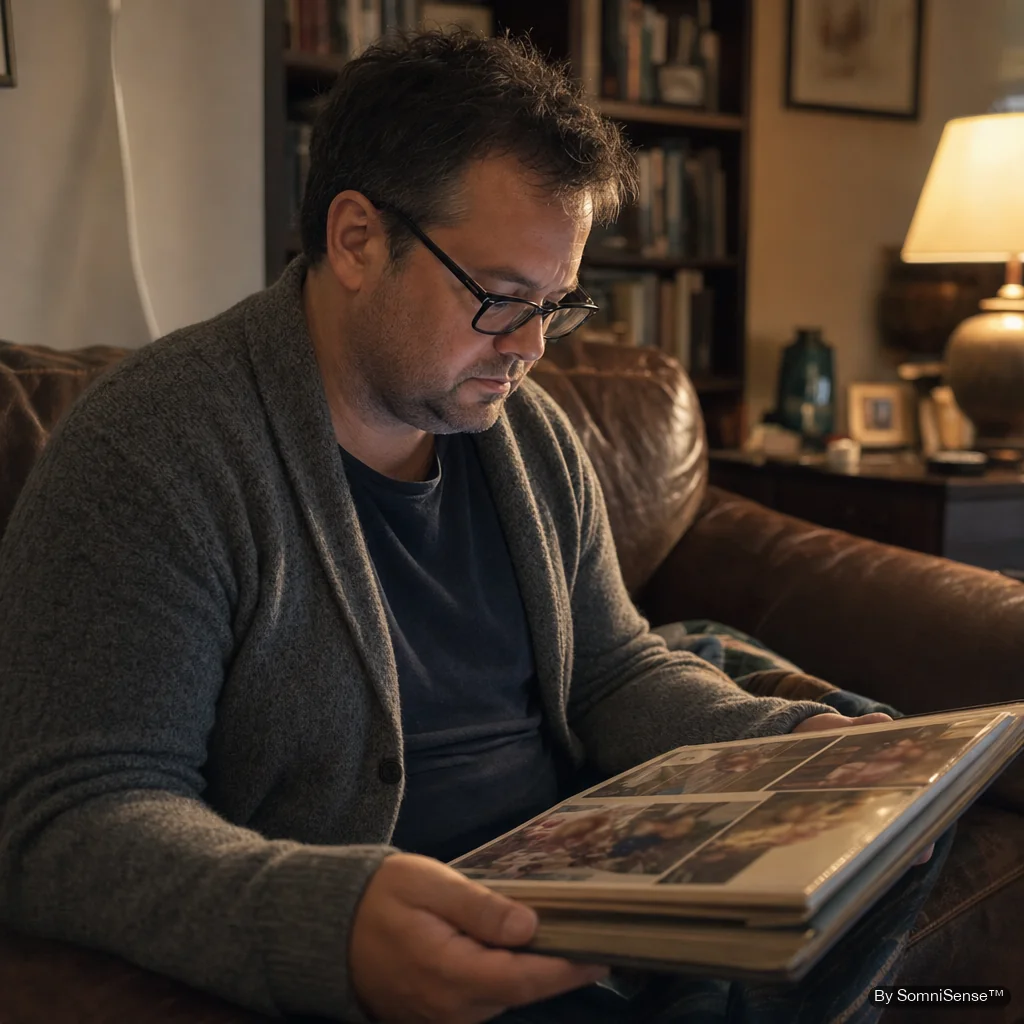
"Better Nights, Healthier Days."
This isn't just a slogan. It's a promise — to you, and to the people who share your nights.
— SomniSense
Start your first night.
First 7 days of Pro are free. Cancel through the App Store or Google Play before day 7 and you won't be charged.
SomniSense is a wellness tracking tool. It is not a medical device and does not diagnose obstructive sleep apnea (OSA) or any other condition. If you have concerns about your sleep, please consult a licensed clinician.